National Physical Fitness and Sports Month: A Family-Friendly Fitting Guide To Help Kids Stay Active
May 5th, 2026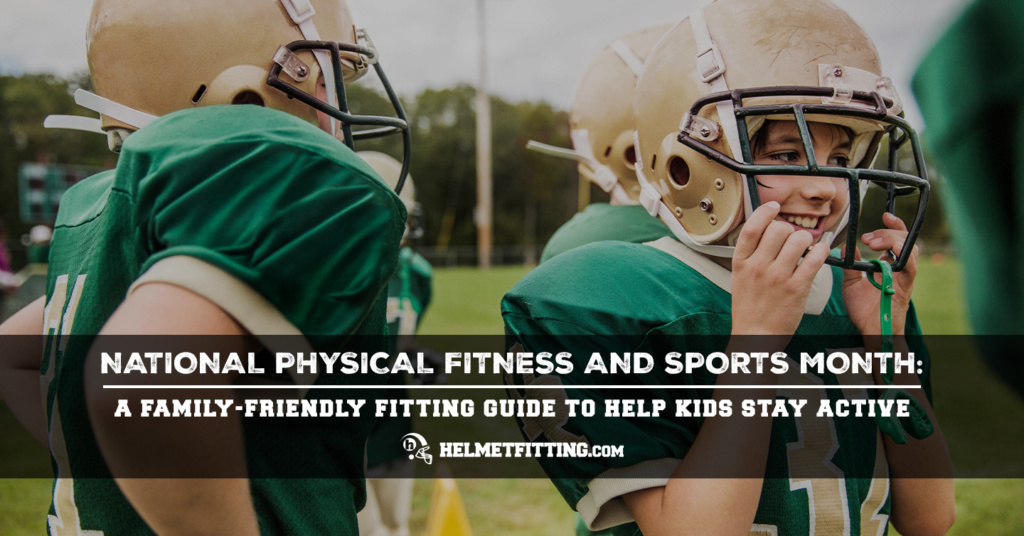
May is National Physical Fitness and Sports Month—a nationwide reminder that movement, play and sports help families build lifelong healthy habits. Physical activity is vital for everyone, not just for physical health but also for mental well-being. Since 1983, Presidents have proclaimed May as a month to promote physical activity and sports participation.
For parents, the goal isn’t just “sign up and show up”—it’s to help your athlete enjoy the season and stay in it. Especially in contact and collision sports, the basics still matter most: the right protective gear, proper fit and safety habits you can reinforce at home and on the sideline. Let’s review our top National Physical Fitness and Sports Month tips for families—featuring HelmetFitting.com.
Helmet Fit 101 for Parents: Why It Matters
Proper helmet fit is one of the simplest ways parents can reduce avoidable risk. A helmet that’s too loose can slide out of position. A helmet that’s too tight can cause headaches and make kids loosen straps or wear it incorrectly. Either way, the protection you think your child is getting may not be the protection they’re actually getting.
HelmetFitting.com is a practical resource you can use to learn what “good fit” looks like and to speak the same language as your child’s coach or equipment manager. It’s built around step-by-step education (including video instruction and knowledge checks) so fitting isn’t a one-time event—it becomes a repeatable routine as kids grow and gear changes.
- Know the quick fit checks: Stability, strap placement and comfort, so you can spot issues before practice.
- Ask how the team handles fitting: Who fits helmets? When are re-checks done during the season?
- Use shared training tools: HelmetFitting.com eLearning can help parents and coaches align on the same fitting steps and expectations.
Beyond Helmets: Why Every Piece of Gear Needs to Fit
It’s easy to focus on helmets (and you should), but ill-fitting equipment anywhere on the body can create avoidable injuries—or lead kids to stop wearing the gear altogether. Pediatric sports medicine guidance emphasizes that young athletes should wear appropriate, properly fitted protective equipment such as pads, helmets, mouthpieces, face guards, protective cups and eyewear.
- Protection only works when it’s in the right place. Shoulder pads that sit too high can leave the collarbone exposed; shin guards that slide can miss the impact zone; a loose mouthguard can pop out right when it’s needed.
- Comfort drives consistency. If gear pinches, rubs, blocks vision or makes it hard to breathe, kids “adjust” it—by loosening straps, wearing it crooked or skipping it when adults aren’t looking.
- Fit affects movement and confidence. Oversized gloves, cleats that are too big or poorly adjusted straps can change how a child runs, cuts or falls—sometimes increasing risk for sprains or falls.
- Poor fit can create new hazards. Loose straps can snag. Bulky or shifting pads can limit normal motion. Ill-fitting eye protection may fog or obstruct vision.
Use our parent-friendly “quick check” before practice to help address these potential issues:
- Snug, not restrictive: Protective sports equipment shouldn’t slide around, but your child should still be able to move, breathe and see normally.
- Right coverage: Pads and guards should cover the areas they’re meant to protect (not float above or sit off to the side).
- Straps and fasteners secured: Nothing dangling that can snag or loosen mid-play.
- Worn every time: The “best” gear is the gear your child will actually keep on—so comfort and correct sizing matter.
For many families, starting with these basics—properly fitted gear and consistent use—delivers the biggest safety win. Then, if you’re curious about additional layers of protection, you can evaluate them from a strong foundation.
Helmets are essential for protecting the skull—but no helmet can eliminate all forces that can affect the brain during fast stops, starts and impacts. Some families also ask about add-on options. If that’s you, here’s a parent-friendly overview of the Q-Collar.
Move in May: A Simple Parent Checklist
- Support consistent activity. For better energy, focus and confidence, kids and teens should get 60 minutes of physical activity each day. Adults can model the habit by aiming for at least 150 minutes a week of moderate-intensity activity, plus strength training.
- Do a 30-second gear check before practice. If a helmet rocks, slides, pinches or kids keep adjusting it, that’s a sign to re-check fit.
- Know who to ask—and what to ask. “When was the last fitting day?” “How do you re-check fit mid-season?” “What’s the replacement policy if my child grows?”
- Use training tools that make it easier. HelmetFitting.com can help you understand the fitting process so you can advocate for your athlete with confidence.
Summary
National Physical Fitness and Sports Month is a great time to reset the goal for youth sports: help kids build confidence, friendships and healthy habits—while reducing avoidable risk. When families and programs prioritize proper equipment fit and stick to safety fundamentals, athletes are more likely to stay comfortable, consistent, and ready to play.
If you do one thing this month: spend 10 minutes on HelmetFitting.com, then use what you learn to do a quick fit check and ask your child’s program how they handle fittings throughout the season. Keep reading our blogs for more healthful tips on sports safety, proper fit and more.